student life
Character Education
Becoming Persons of Substance
Our founders spoke of cultivating 謙謙君子 and 大家閨秀, those who wear their virtues lightly and carry themselves with grace. These remain vital aspirations: human beings who treat others with respect and act with integrity when no one is watching.
These are not antiquated ideals. They are descriptions of human beings who have learned to carry themselves with dignity, treat others with respect, and act with integrity when no one is watching.
The Homeroom System
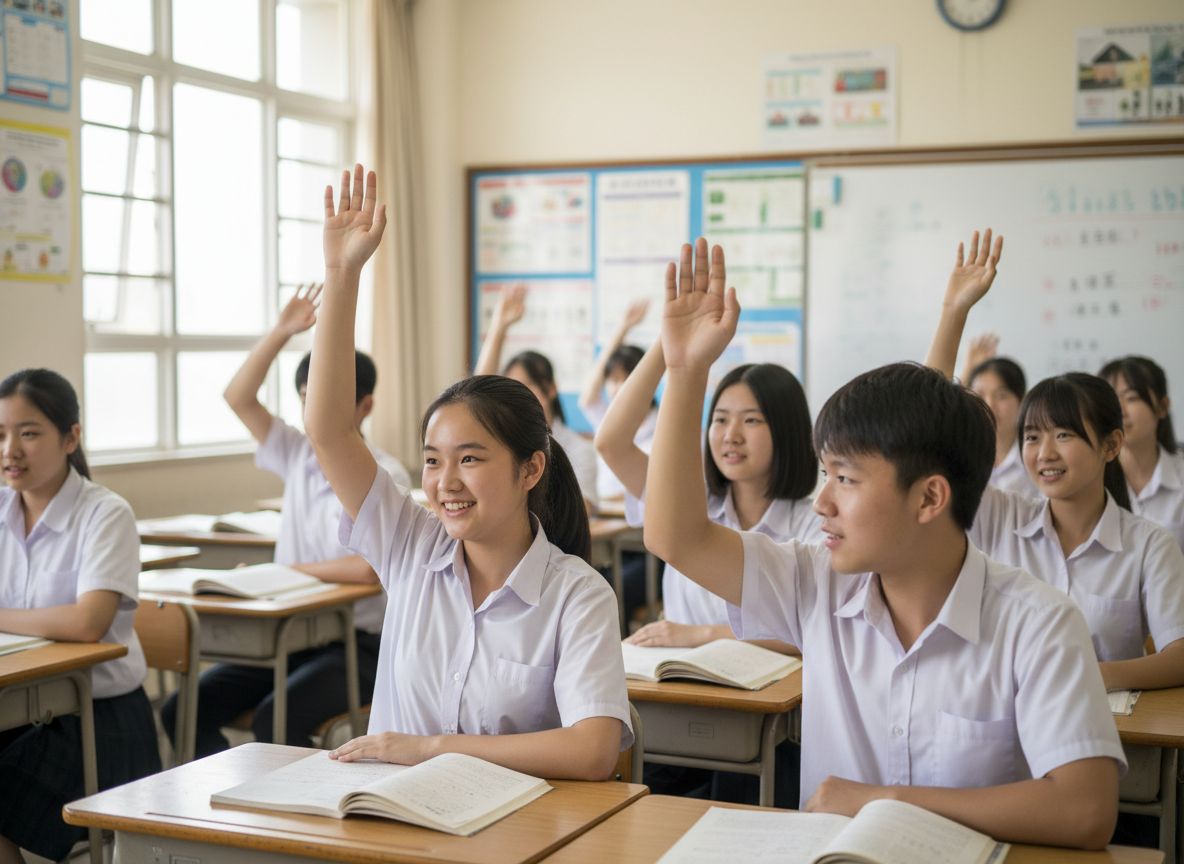
Each class is accompanied throughout the day by a dedicated homeroom teacher whose desk sits within the classroom itself. This is presence—the quiet availability of an adult who knows each student's struggles, notices changes in mood, and provides guidance in the moments when guidance matters.
The relationship built across a school year becomes one of the most formative a young person will experience.
Daily Formation
Character is shaped in specifics. The school day begins with collective gathering. Students wear uniforms as an equalizer—when appearance is standardized, status competition diminishes. Digital devices are collected upon arrival and returned at dismissal; the school day belongs to presence.
Each semester concludes with formal character evaluation encompassing academic performance and contribution to community life.
We speak openly about character using language that names what we seek: honesty, diligence, respect, courage, compassion, self-discipline.
Students learn that character is something that can be discussed, evaluated, and deliberately cultivated.